The Estate · Saint-Chinian

A story
of patience.

Sixteen hectares (40 acres) of old vines on terraced hillsides above Saint-Chinian. A story that began in 1976 and has since become one of passing on, where every cuvée speaks of one parcel and the time it is given.
Languedoc · Old vines · Organic since 2023
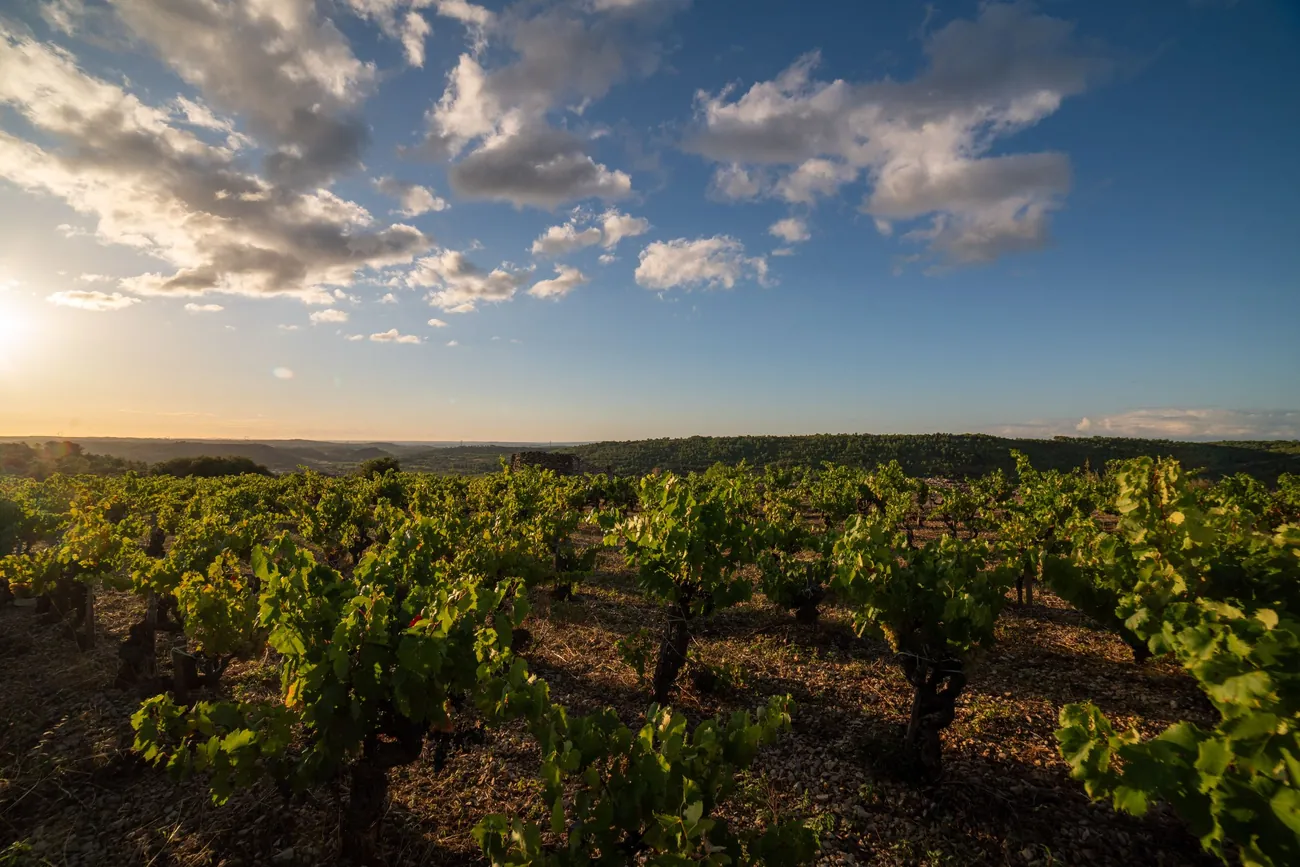
The plateau of old goblet-trained bush vines at Mas Champart at sunset, Saint-Chinian
The plateau, late in the day.
1976, the beginnings

The first vines.

It all began in 1976, six years before the Saint-Chinian appellation itself was born. Isabelle and Matthieu Champart laid the foundations of the wine estate on the hillsides of Bramefan, a short walk from the village, around one simple idea that still guides the mas today: making wines of terroir, without haste.

Year after year, the estate took shape, parcel by parcel. Old vines were kept rather than pulled up, each soil slowly read and understood, and the Carignan left to grow old. Some vine stocks have now passed the hundred-year mark.

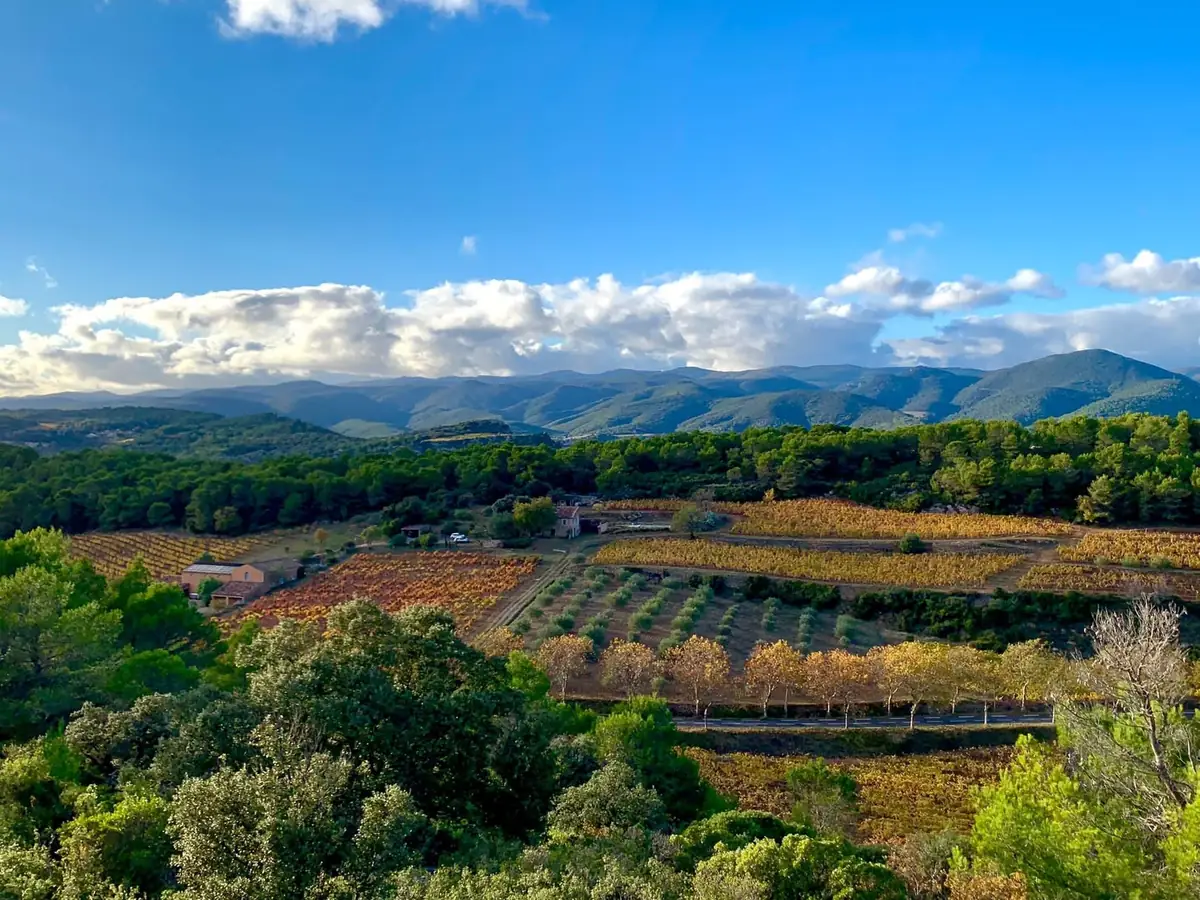
The old vines of Mas Champart in autumn, on the hillsides of Saint-Chinian
The estate's hillsides, in autumn.
Passing it on

The same hands,
a fresh eye.

Today, Noémie and Angélique carry the story of Mas Champart forward. The same patience, the same exacting standards, with a fresh eye and new energy. Here the estate is no showcase: it is a place people live in, a house kept alive to the rhythm of the seasons.

Angélique looks after the vines and the cellar day by day; Noémie carries the estate and its future forward. Together they are writing the next chapter, true to the spirit of the founders.

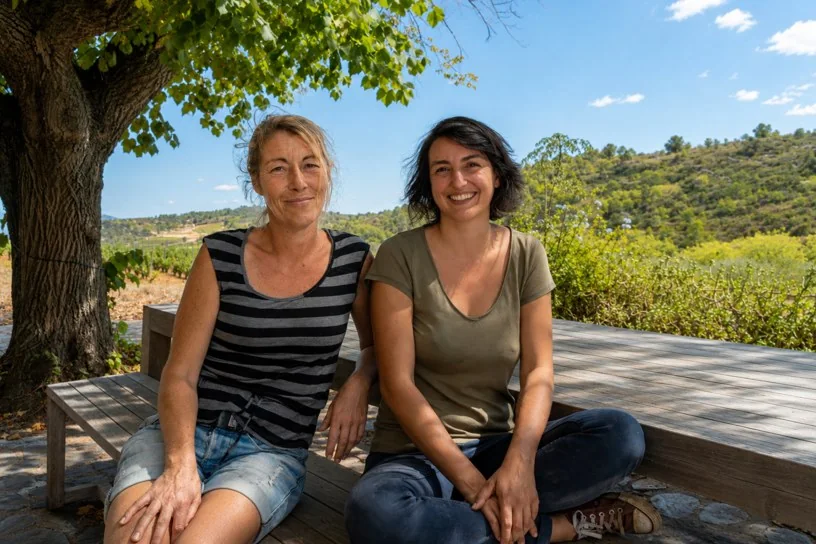
Angélique and Noémie, winegrowers at Mas Champart, Saint-Chinian
Angélique and Noémie, at the estate.
1976
FIRST VINES
1982
BIRTH OF THE AOC
16
HECTARES
60 to 110
YEAR-OLD VINES
2023
ORGANIC SINCE
The terroir

Limestone, garrigue
and altitude.

The estate's sixteen hectares climb in terraces to 300 metres above sea level, on the hillsides of Saint-Chinian. The soil is limestone, formed of dolomite: a pale, free-draining rock that holds the vine back and gives the wines their freshness.

The parcels are bordered by the garrigue, the wild scrubland of the Languedoc, and by capitelles, the little dry-stone huts where the ewes the estate hosts all year round come to find shade. A Terret Bourret planted in 1904 still grows here, alongside Carignans from the 1950s: vines that will never be replaced.

The plateau of old goblet-trained bush vines at Mas Champart at sunset, garrigue and capitelle
The plateau, late in the day.
The craft

Picked by hand, aged without haste.

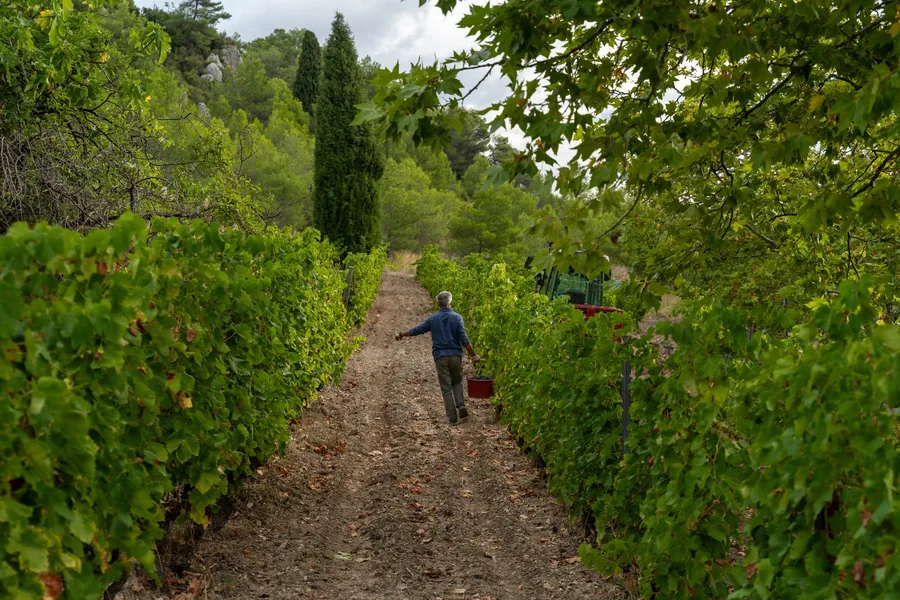
The harvest is done entirely by hand, in small tubs, parcel by parcel, over the best part of a month. The reds ferment with their own indigenous yeasts, in concrete and stainless steel vats, with gentle extraction. Ageing takes its time, always with a very light hand on oak and sulphur. Since the 2023 vintage, the whole estate has been certified organic.

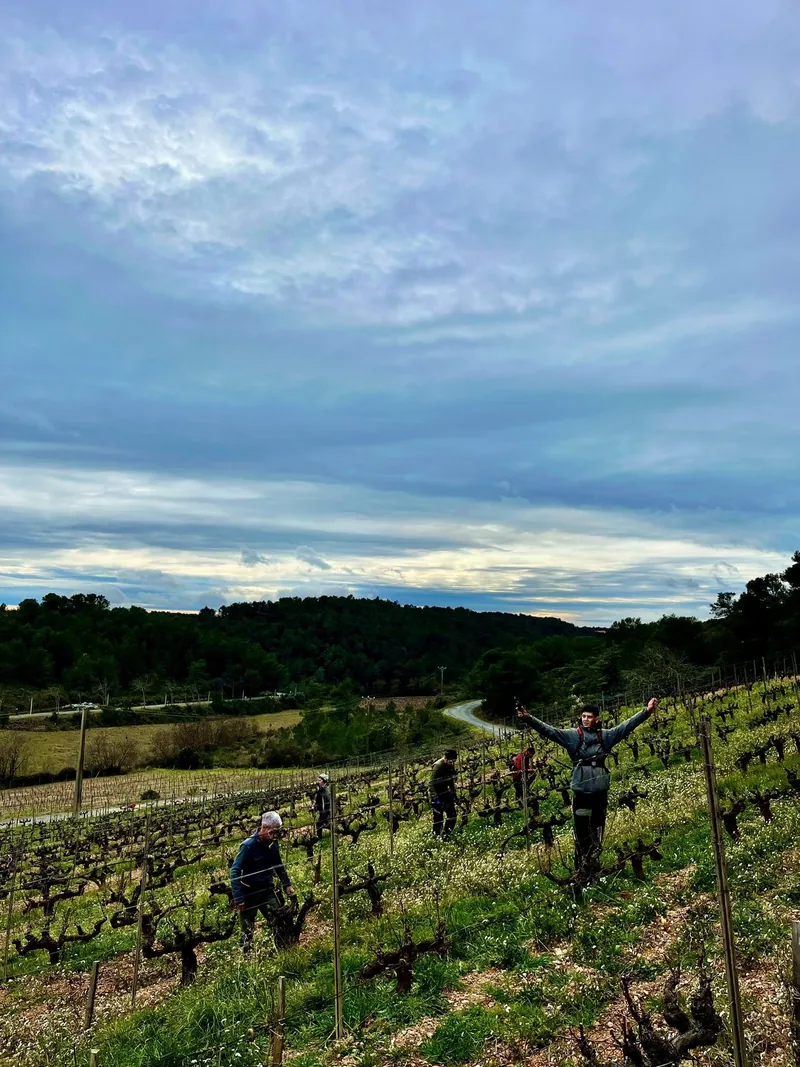
Winter pruning of the vines at Mas Champart
Pruning, in winter.
Hand-picked harvest at Mas Champart, Saint-Chinian
The harvest, by hand.
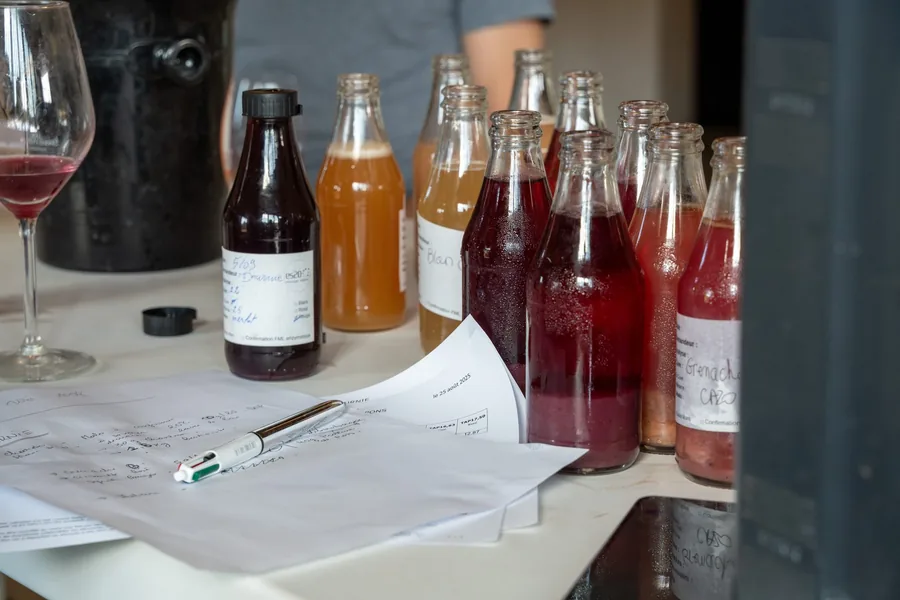
Blending work in the cellar at Mas Champart
Blending, in the cellar.

“The hand is the instrument of instruments.”

Aristotle
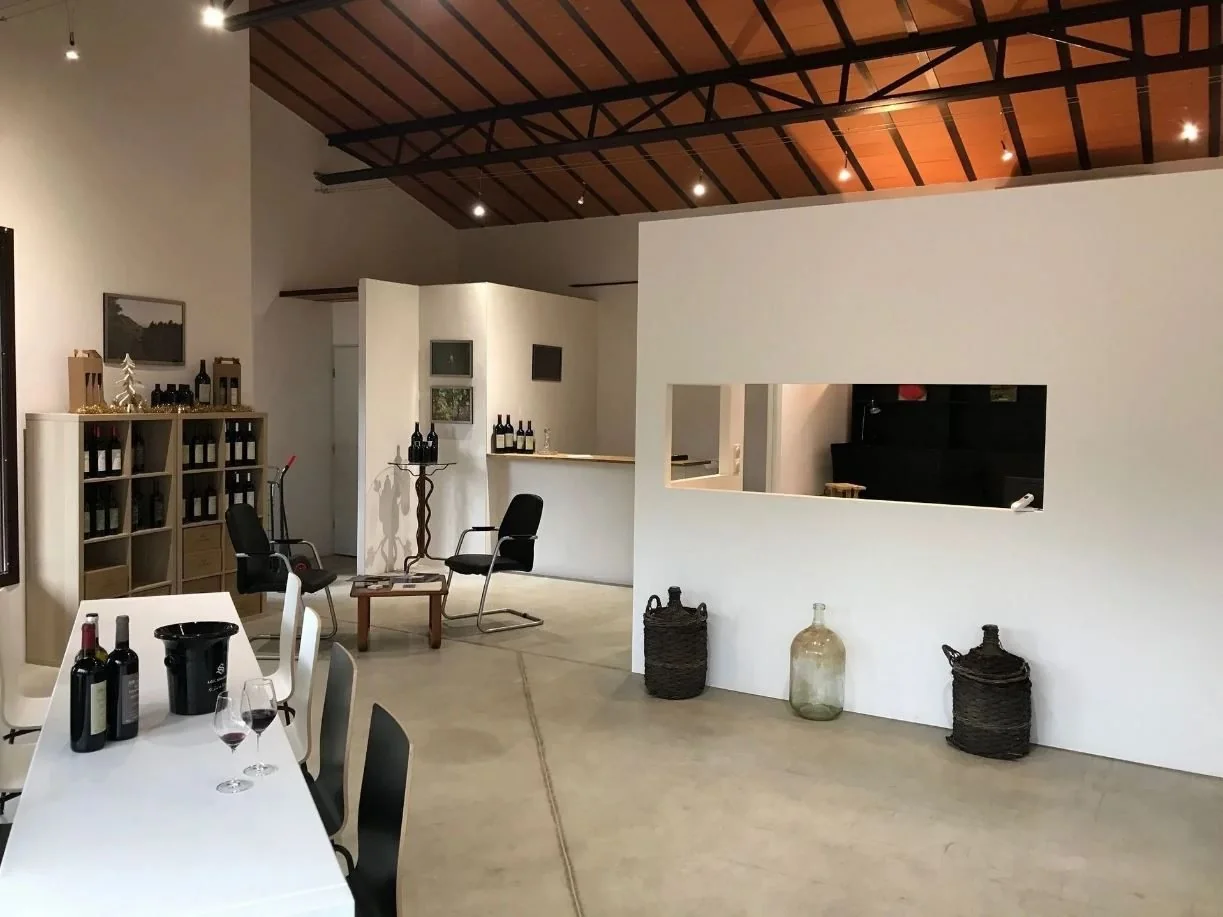
The tasting room at Mas Champart, Saint-Chinian
Come and meet us

Come and taste the estate.

The tasting room welcomes you all week, by appointment. We would love to pour you our wines, right where they were born.

Mon to Fri · 9 am to noon / 2 pm to 5 pm · by appointment
FR EN